
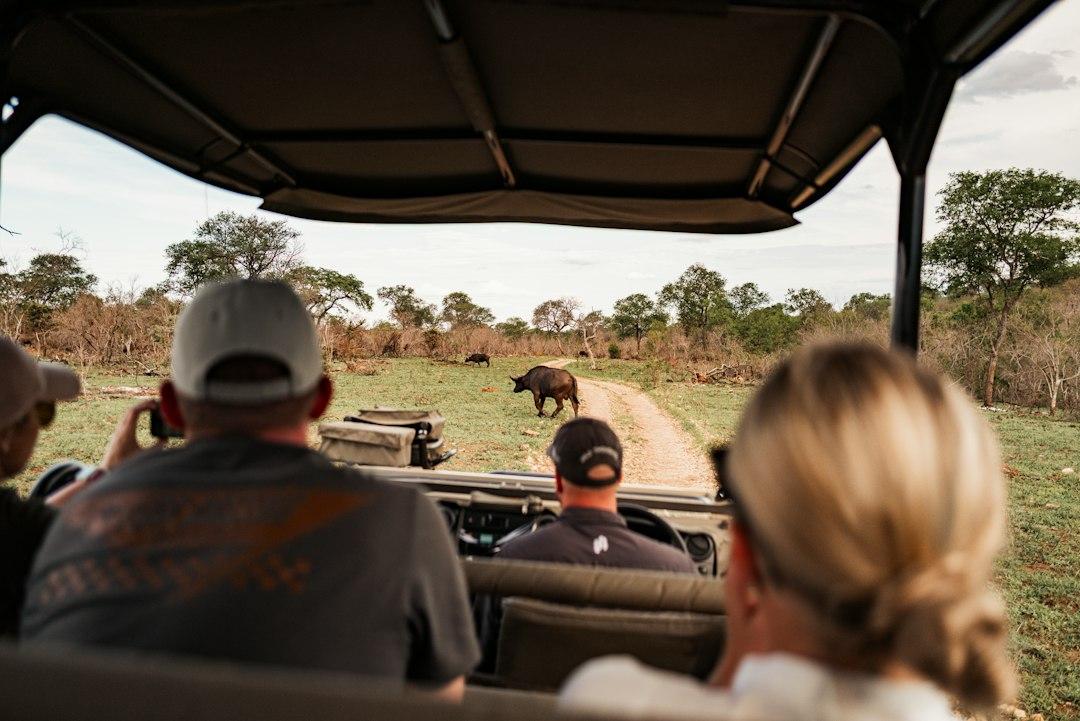
Wildlife conservation courses in New Zealand range from free volunteer programmes right up to full postgraduate degrees. The right starting point depends on your goal. Are you curious and want to try it out? Do you want practical skills for a trapping or ranger job? Or are you aiming for a research career? This guide walks through the main options, what they actually cost in time and money, and how they link together into one path.
Start free before you pay for anything
Most guides jump straight to paid certificates. But the cheapest and most useful first step is volunteering. Groups like Forest and Bird run community trapping lines in local reserves. The Department of Conservation (DOC) runs volunteer trips for track work, bird monitoring and pest control. Marine reserve programmes take volunteers for beach and reef surveys too.
This matters for two reasons. First, it is free. Second, it shows you what the work is really like before you spend money on a course. Checking traps in the rain at 6am is very different from reading about conservation in a textbook. A few weekends of volunteering will tell you fast whether this is the right direction for you. Expect most placements, especially DOC-run trips, to ask you to complete a short health and safety induction before your first day out, and some sensitive-site or dog-handling placements may also require a basic vetting check.
If you enjoy it, volunteering also builds a track record. Paid conservation jobs are competitive, and hands-on experience on your CV often counts for more than a short certificate on its own.
Short certificates vs real NZQA qualifications
Here is something most course pages skim over: not all certificates are equal. Some private online certificates are endorsed by industry bodies. That is a nice tick of approval, but it is not the same as an NZQA qualification. NZQA stands for the New Zealand Qualifications Authority, the government body that sets and checks official qualification levels.
For example, the New Zealand Certificate in Conservation (Operations) Level 4 is delivered through UCOL in partnership with Pūkaha National Wildlife Centre. It is an NZQA Level 4 qualification, built with input from iwi (Māori tribal groups), including training in tikanga, meaning the customs and correct practice, around wāhi tapu (sacred sites) and taonga tūturu (protected Māori artefacts) (UCOL).
Before paying for any certificate, ask the provider directly whether it is NZQA-recognised or an internal industry badge. Both can be useful, but they are not interchangeable when an employer is comparing applicants, and only formal NZQA qualifications delivered through a registered tertiary provider are likely to qualify for student loan or allowance support through StudyLink, so check this with the provider too.
Skills employers actually want to see
A certificate on paper only goes so far. Conservation employers often want proof of specific hands-on skills. These include:
- Running predator trap lines, including DOC200 boxes (wooden tunnel traps mainly for stoats and rats) and A24 traps (a gas-powered trap that resets itself)
- A Firearms Licence, issued by the New Zealand Police after a safety course and vetting, plus any extra endorsement a specific pest control role requires
- 4WD or boat handling for remote sites
- Chainsaw use for track and habitat work
- First aid, since many roles happen far from help
- Species identification tests, so you can correctly tell native and pest species apart in the field
If a role or course moves into handling vertebrate toxins such as 1080 or cyanide, you will need a specific licence under hazardous substances law. Check current requirements with DOC or the Environmental Protection Authority (EPA) before committing to any training that promises this, as the rules and the licence names have changed over the years.
In some areas with kiwi and other ground-dwelling birds, DOC treats bird avoidance training as a hard requirement, not just a nice-to-have, especially for dog handlers working under DOC's Conservation Dogs Programme, which certifies dog and handler teams to detect pest animals or protected species (Department of Conservation). If a course does not mention any of these practical skills, that is worth noticing.
From volunteer to ranger to researcher
Think of conservation study as a ladder, not separate choices. A realistic path looks like this: volunteer first, then an entry-level field assistant or trainee role, then a paid ranger position, then research or postgraduate study if you want to go further.
For the postgraduate step, the University of Otago offers a Postgraduate Diploma in Wildlife Conservation, which is 120 points over one full-time year, and a Master of Wildlife Conservation, which is 180 points over three semesters. Both start in February and can be studied part-time. Otago normally expects a degree in zoology, biology or ecology for entry, though people with solid conservation experience but no degree are still encouraged to apply (University of Otago).
Be realistic about the job market too. Paid DOC and ranger roles draw a lot of applicants for each opening, and many positions still ask for a degree even if you already hold a certificate. A certificate helps, but it rarely replaces years of experience or formal study on its own.
If you want a structured introduction that covers habitat and species management alongside the basics, the Wildlife Conservation and Management course is a solid stepping stone before you commit to a longer qualification.
Choosing the right starting point
Your choice really comes down to your goal.
- If you are curious and want a hobby-level understanding, start with free volunteering and a short introductory course.
- If you are changing careers and want a paid role within a couple of years, aim for an NZQA Level 3 or 4 vocational qualification alongside volunteering, so you graduate with both paper and practical hours.
- If you already work in conservation and want to move into research or senior ranger work, a postgraduate diploma or masters is the better investment.
There is no single correct answer. What matters is matching the course to where you actually want to end up, not just the course that is cheapest or quickest.
Have a browse of the animal and wildlife courses available, and if you are not sure which level suits your goals, get in touch through our contact page and we can help you figure out the right starting point.