New Zealand's lash and brow trends for 2026 lean soft and natural. Think wispy lashes, fluffy brushed-up brows and looks shaped to suit your own face, not a one-size-fits-all template. Heavy, dramatic styles are stepping back. Low-maintenance, long-lasting results are what most clients want now, and that shapes everything from the products technicians use to the services they book.
Softer looks and the services behind them
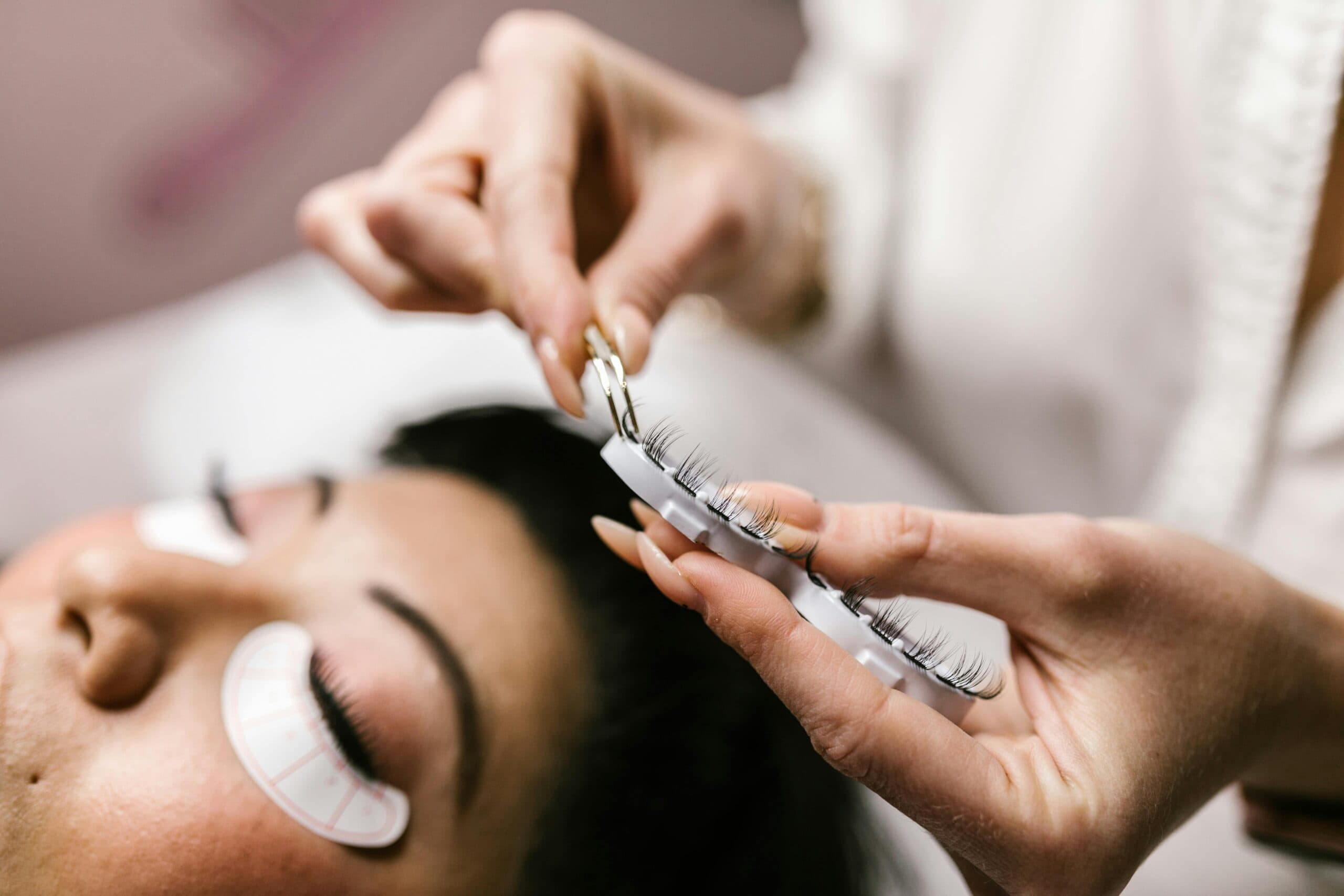
Hybrid lash sets are the most requested style in salons across the country right now, especially with clients aged 25 to 45, according to industry surveys. A hybrid set mixes two techniques: classic lashes, where one extension is glued to each individual natural lash, with a few fuller volume fans added in for extra texture. The result looks richer than classic lashes, but still soft and wearable. Most extension sets, whatever the style, need an infill every 2 to 3 weeks, since your natural lashes shed and take the attached extensions with them.
If you want a natural lift with almost no upkeep, a lash lift might suit you better. A lash lift curls and tints your own natural lashes rather than adding extensions. It usually lasts 6 to 8 weeks, with very little ongoing care needed in between.
A newer style showing up for 2026 is the wet-look or spiky lash. Instead of the fluffy volume fans that have been popular for a few years, lashes are styled to look slightly damp and separated, almost spiky at the tips. It is its own distinct look, not just another version of a volume set.
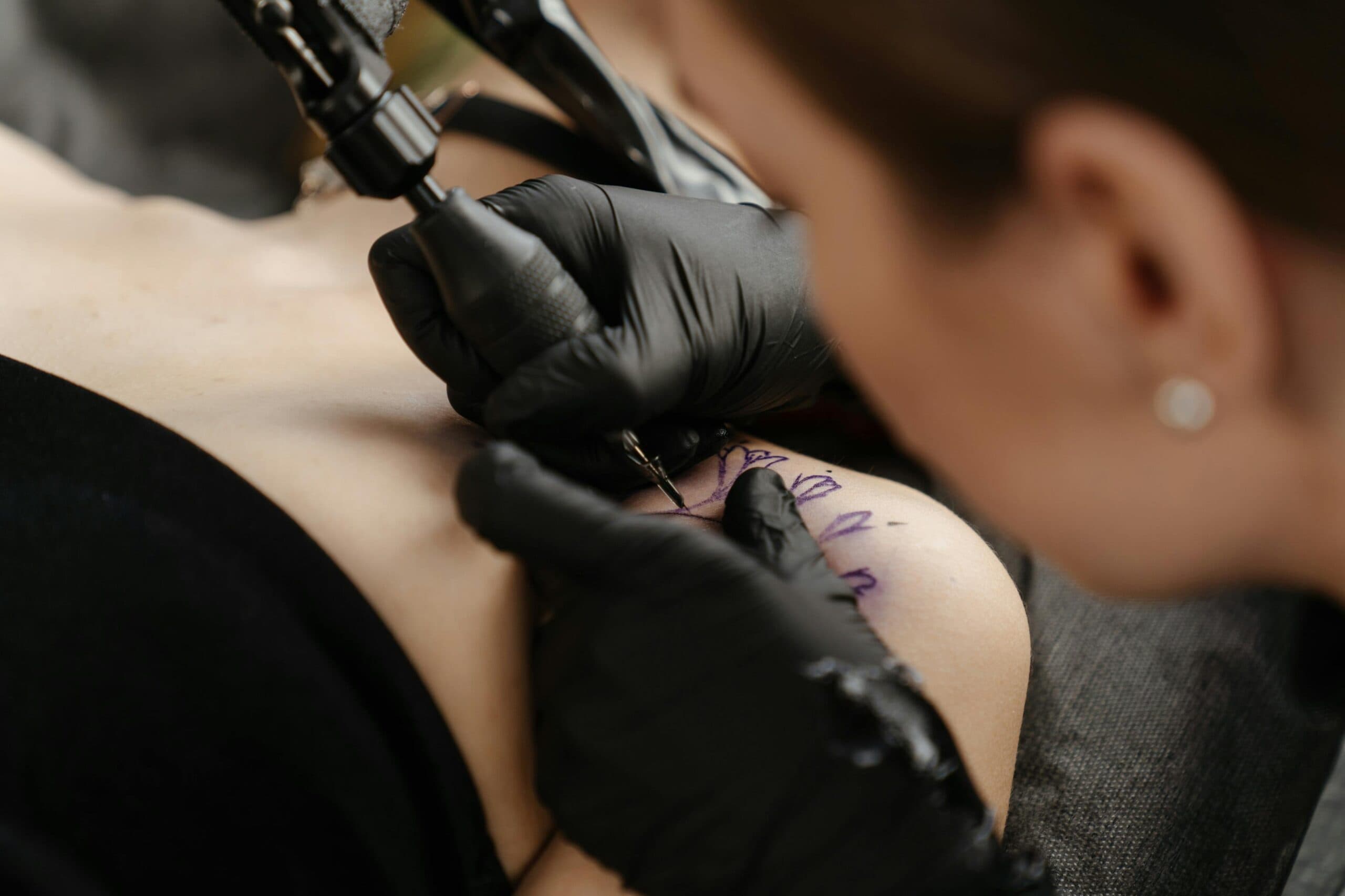
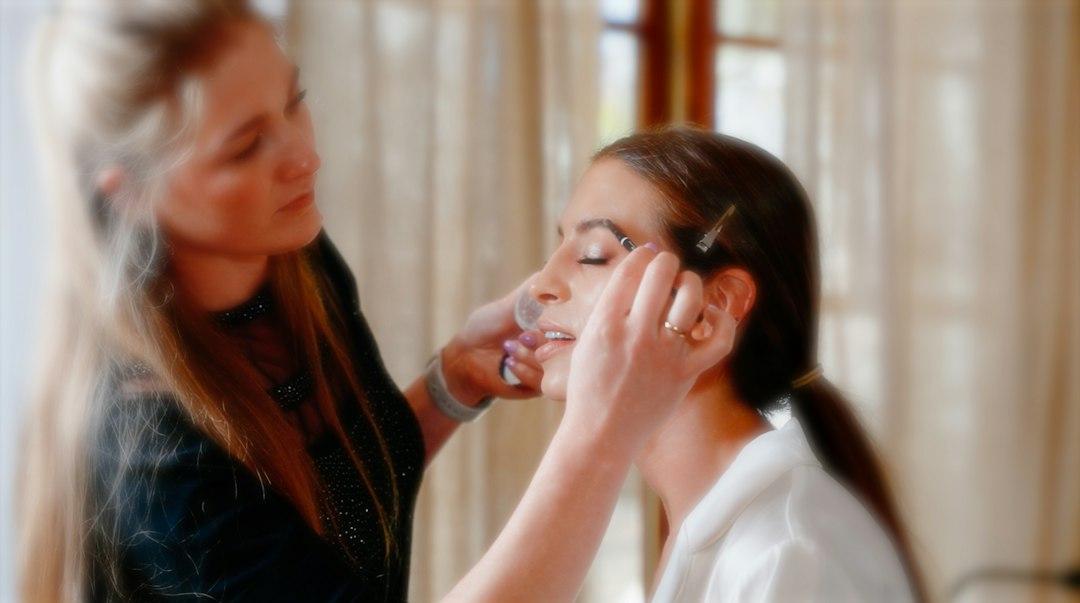
Brows are following the same soft direction. Fluffy, brushed-up brows have replaced the sharp, blocky, heavily filled-in arches that were popular not long ago. Brow tattoo and brow correction work (fixing patchy or over-plucked brows) is also growing as a service. One NZ studio has been offering nano hair stroke brow tattooing, a technique that draws in fine, hair-like strokes, for more than five years. So it is an established option here, not a brand-new trend.
A lot of this change comes down to clients bringing in photos from social media and asking their technician to adapt the look to their own face shape, rather than copying someone else's brows exactly.
Kiwi conditions that affect your results
New Zealand's climate plays a bigger part in lash and brow care than most people expect. Humidity, UV exposure, swimming and an outdoor lifestyle all affect how long a treatment lasts.
A few practical habits help:
- Keep lash extensions and lash lifts dry for the first day or two. Water and steam can loosen the curl or the glue bond before it has fully set.
- Rinse your lashes with fresh water after swimming. Chlorine and salt water both weaken lash adhesive over time.
- Choose an oil-free sunscreen and moisturiser around the eye area. Oil breaks down lash glue faster.
- Brush brows daily, especially after a lamination or tint, and use a conditioning serum to keep brow hairs in good condition between appointments.
- If you've just had brow tattooing, keep the area dry and out of direct sun, saunas and swimming for about 7 to 10 days while it heals, and avoid putting makeup directly over the brows until the skin has settled. Follow the specific aftercare sheet your technician gives you, as healing times can vary slightly depending on the product used.
None of this means avoiding summer or staying out of the pool. It just means your technician should talk you through aftercare that fits your lifestyle, not hand you a generic leaflet.
Safety, training and choosing the right technician
Before any lash or brow treatment, a good technician will offer a patch test. This means putting a small amount of product, usually glue or tint, on your skin at least 24 to 48 hours before your appointment, to check for a reaction before it goes near your eyes. If you're a returning client, it's still worth asking for a fresh patch test if you've changed products, started new medication, or had any reaction since your last visit. Allergy New Zealand has guidance on spotting allergic reactions, worth reading if you have sensitive skin.
Hygiene matters just as much. Reusable metal tools should be disinfected between clients with a hospital-grade disinfectant or autoclave, and single-use items such as mascara wands and spoolies should never be reused on more than one client. Your technician should also ask about contraindications, reasons a treatment might not be safe for you right now, such as an eye infection or certain skin conditions. WorkSafe New Zealand sets general workplace health and safety requirements that salons, like other businesses, need to meet, covering things such as chemical handling and ventilation, and it is reasonable to ask a salon how they manage these.
There is no single licence required to work as a lash or brow technician in New Zealand, but reputable salons train their staff through structured courses rather than quick online videos. Health New Zealand is a useful reference point if you want to check product safety messaging as a health-conscious client.
If you are thinking about training yourself, whether to add a skill in a salon you already work in or start something new, look for a course that covers technique and safety properly. The Eyelash Lift and Tint course and the Advanced Eyelash Extension Course are solid starting points if lashes interest you, and the Eyebrow Lamination course covers the brushed-up brow look leading 2026's trends. On pricing, costs vary a lot between salons and services, so ask for a written quote and compare what is actually included, such as patch testing, aftercare products and infill timing, rather than comparing price alone.
Lash and brow trends for 2026 are really about looking after what you already have, in a style that suits your face and your week. If you are curious about training to do this work yourself, get in touch and we can help you find the right starting point.